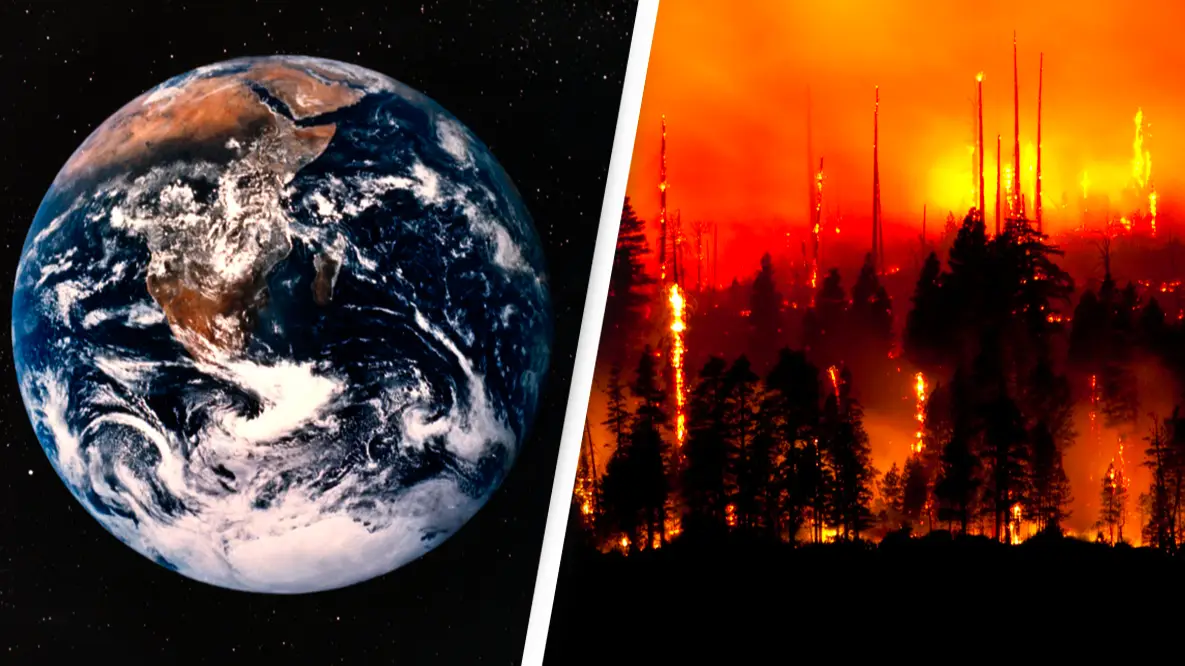
unilad homepage
unilad homepage
  • News
    • UK News
    • US News
    • World News
    • Crime
    • Health
    • Money
    • Sport
    • Travel
  • Music
  • Technology
  • Film and TV
    • News
    • DC Comics
    • Disney
    • Marvel
    • Netflix
  • Celebrity
  • Politics
  • Advertise
  • Terms
  • Privacy & Cookies
  • LADbible Group
  • LADbible
  • SPORTbible
  • GAMINGbible
  • Tyla
  • UNILAD Tech
  • FOODbible
  • License Our Content
  • About Us & Contact
  • Jobs
  • Latest
  • Archive
  • Topics A-Z
  • Authors
Facebook
Instagram
X
Threads
TikTok
YouTube
Submit Your Content
Supercomputer predicts Earth could be facing mass extinction event by 2100
Home>News
Published 13:28 19 Dec 2022 GMT

Supercomputer predicts Earth could be facing mass extinction event by 2100

Researchers children born today could be the last generation to see dozens of species

Claire Reid

Claire Reid

google discoverFollow us on Google Discover
Featured Image Credit: Art Directors & TRIP / Alamy Stock Photo/Kip Evans / Alamy Stock Photo

Topics: extinct, Climate Change, World News

Claire Reid
Claire Reid

Claire is a journalist at UNILAD who, after dossing around for a few years, went to Liverpool John Moores University. She graduated with a degree in Journalism and a whole load of debt. When not writing words in exchange for money she is usually at home watching serial killer documentaries surrounded by cats.

Advert

Advert

Advert

A supercomputer has predicted that more than a quarter of animals and plants will be extinct by the end of the century.

Using scientific modelling created by the supercomputer, scientists shared the scary prediction that 10 percent of plants and animals will be wiped out by 2050, with 27 percent will be gone by 2100.

The model suggests that babies born today could be the last generation to see numerous animals including elephants or koalas.

Advert

The researchers have claimed that Earth could be facing its ‘sixth mass extinction’ which is being driven by various factors, including climate change and changes in how land is used.

The team also said that previous extinction models are not as accurate as they don’t take into consideration ‘co-extinctions’ - when a species becomes extinct because a species it needs for survival goes extinct, like a sort of depressing domino effect.

Study author Professor Corey Bradshaw of Flinders University explained: “Think of a predatory species that loses its prey to climate change.
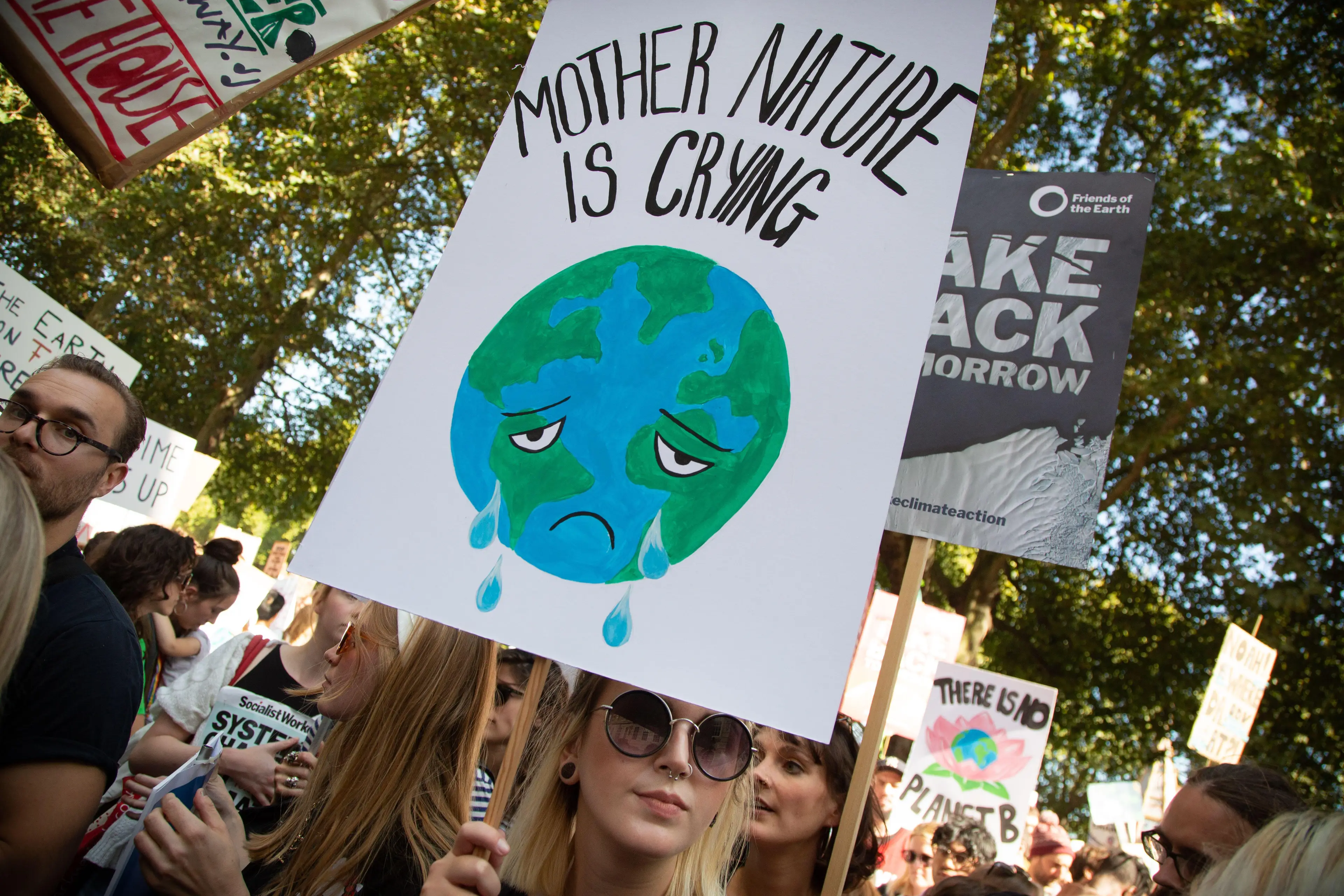
Scientists have warned about the ‘sixth mass extinction’.
Kiki Streitberger / Alamy Stock Photo

“The loss of the prey species is a ‘primary extinction’ because it succumbed directly to a disturbance. But with nothing to eat, its predator will also go extinct, a co-extinction.

"Or, imagine a parasite losing its host to deforestation, or a flowering plant losing its pollinators because it has become too warm. Every species depends on others in some way.”

For the study, the researchers used one of Europe’s most powerful supercomputers to create ‘synthetic Earths’, which they filled with virtual species and thousands of ‘food webs’ - networks linked by what animal eats another to survive.

Professor Bradshaw added: “This study is unique, because it accounts also for the secondary effect on biodiversity, estimating the effect of species going extinct in local food webs beyond direct effects.
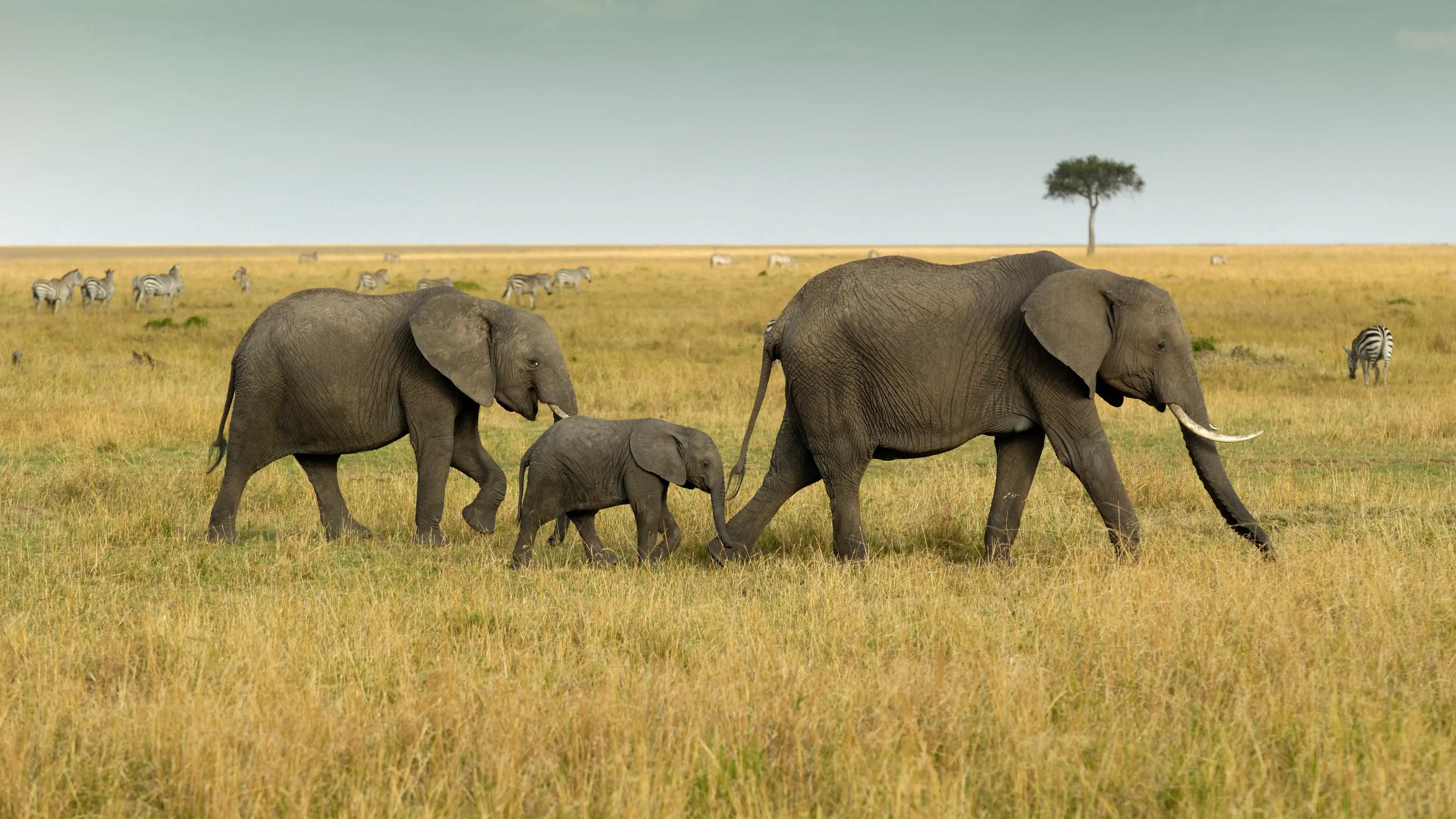
Researchers have warned that 27 percent of animals could be wiped out by 2100.
imageBROKER / Alamy Stock Photo

"The results demonstrate that interlinkages within food webs worsen biodiversity loss, to a predicted rate of up to 184 percent for the most susceptible species over the next 75 years.

“Compared with traditional approaches to predicting extinctions, our model provides a detailed insight into variation in patterns of species diversity responding to the interplay of climate, land use, and ecological interactions.

“Children born today who live into their 70s can expect to witness the disappearance of literally thousands of plant and animal species, from the tiny orchids and the smallest insects, to iconic animals such as the elephant and the koala... all in one human lifetime.”

Choose your content:

an hour ago
2 hours ago
4 hours ago
5 hours ago
  • Johnsons of Old Hurst
    an hour ago

    Man arrested after boy, 3, was allegedly thrown into crocodile enclosure has been released as police share details

    The man was 'unfit for interview'

    News
  • @‌flor_de_p/Instagram
    2 hours ago

    TV presenter quits after falsely reporting Lionel Messi's dad died during World Cup

    Messi's family hit out at the 'deep displeasure at the lack of sensitivity'

    News
  • Getty stock
    4 hours ago

    Expert issues warning about the risks of using the wrong size condom

    The size you're wearing could explain a lot more than just comfort issues in the bedroom

    News
  • Getty stock image
    5 hours ago

    Harvard reveals how long you should lift weights each week to lower Alzheimer's and early death risk

    Scientists have pinpointed the precise weekly exercise routine that could dramatically cut your risk of an early death too

    News
  • Space expert claims Earth could be facing mass extinction as we are in ‘middle’ of once-in-6000-year event
  • Scientists make shocking 'triple whammy extinction event' prediction set to hit Earth
  • Scientist shares key to preventing El Niño as they warn it could be the worst-recorded in history
  • How El Niño could trigger a spike in global food prices as the weather phenomenon officially begins